
Dentures play a vital role in restoring the function and appearance of your smile. But like anything else, they don’t last forever. Over time, your dentures can wear out, become uncomfortable, or fail to fit correctly, leading to a host of issues that affect not only your oral health but also your overall well-being. Recognizing the signs that you may need a new denture could help you avoid unnecessary discomfort and maintain your quality of life.
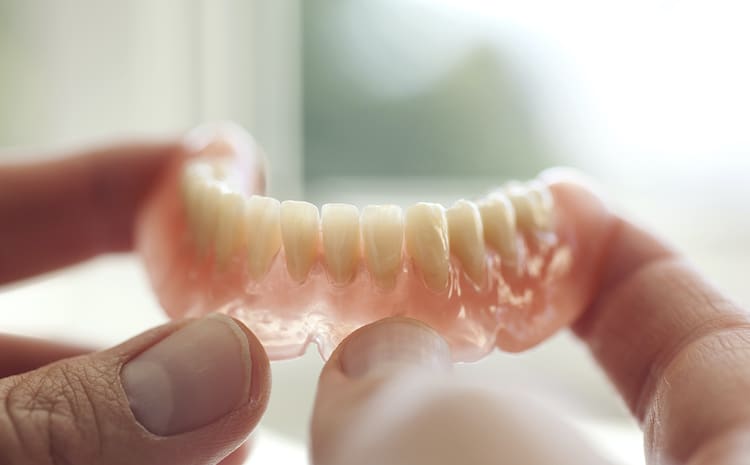
Persistent Discomfort or Soreness
One of the earliest and most common signs that your denture may need replacing is persistent discomfort or soreness in your mouth. While minor irritation can occasionally happen even with well-fitting dentures, ongoing pain or pressure can signal that the appliance no longer fits properly. Your gums and jawbone naturally change shape over time, and if your denture doesn’t adapt to those changes, it can cause rubbing, pressure points, or even painful sores. If adjustments or relining no longer solve the problem, it may be time for a new denture altogether.
Difficulty Chewing or Speaking
If chewing your food becomes more challenging or you start to slur your words, your dentures may not be functioning as effectively as they should. A well-made denture should restore your ability to eat most foods and speak clearly. But as your denture ages or your oral anatomy changes, its stability and alignment can be affected. When dentures become loose or unstable, they may shift during meals or conversations, making everyday tasks frustrating. These issues often indicate that a replacement is due.
Noticeable Changes in Fit
A denture that once fit snugly but now feels loose or requires adhesive to stay in place is likely no longer doing its job. Bone loss in the jaw, a natural part of the aging process, can lead to changes in the shape of your mouth. These changes may cause the denture to sit differently or feel unstable, increasing your risk of sores and infections. While denture relining can help in the short term, a new denture is usually needed to match your current oral structure accurately.
Cracks, Chips, or Wear and Tear
Over time, even the best dentures are subject to wear and tear. The materials used in dentures are durable but not indestructible. Cracks, chips, or thinning in the denture base or teeth are signs that your appliance is reaching the end of its lifespan. Worn teeth on a denture can also affect your bite and jaw alignment, which may lead to jaw pain or other complications. Rather than repairing a worn-out denture repeatedly, replacing it is often the more cost-effective and health-conscious choice.
Stains and Odors That Won’t Go Away
Proper cleaning and maintenance can go a long way in keeping your dentures fresh. However, if you begin to notice persistent stains or unpleasant odors that don’t respond to cleaning, your denture may be harboring bacteria in tiny cracks or porous materials. This not only affects your confidence and comfort but can also contribute to oral infections. If your denture looks discolored or smells unpleasant despite your best cleaning efforts, it may be time to invest in a new one.
Changes in Facial Appearance
Dentures support the muscles of your face and help maintain your natural facial contours. When they no longer fit properly, you might notice changes in your appearance, such as sagging cheeks, a sunken mouth, or increased wrinkles around your lips. These cosmetic changes are more than skin deep; they reflect that your denture is not providing adequate support. A new, well-fitted denture can restore a more youthful and healthy appearance while improving function.
Denture Care in Baltimore, MD
At Horizon Family Dental Care, we understand the importance of a complete smile and function bite. If you have multiple missing teeth or need extractions, a denture could help restore your quality of life. Contact our office today to schedule a consultation and learn more about your treatment options for tooth loss.