
If you have a missing tooth, you may have heard that dental implants can provide a long-term replacement. But how do dental implants work, exactly? Unlike a traditional bridge or removable denture, a dental implant replaces more than the visible part of a missing tooth. It also replaces the tooth root with a small titanium post a surgeon places into the jawbone.
Once the implant heals and bonds with the surrounding bone, it provides a stable foundation for a replacement tooth. This allows dental implants to restore both the appearance and function of your smile while helping maintain the structure of your jaw.
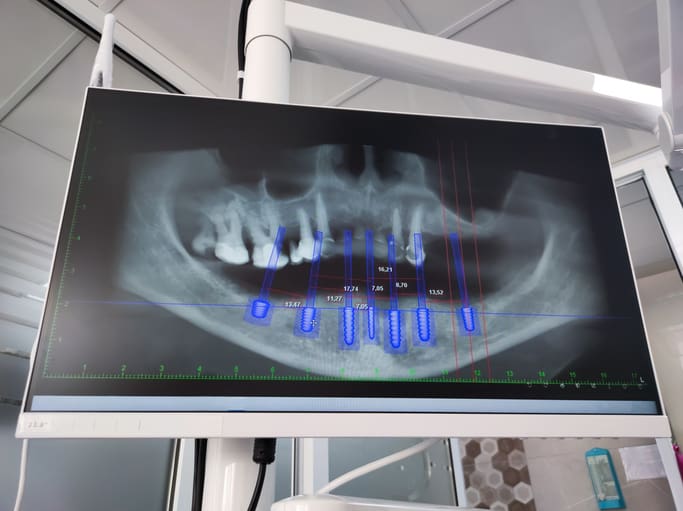
How Dental Implants Replace Missing Teeth
A dental implant has three main parts: the implant post, the abutment, and the dental restoration. The implant post acts as an artificial tooth root in the jawbone. The abutment connects the implant post to the visible restoration, such as a crown.
The process begins with an evaluation to determine whether implants are appropriate for you. Your dentist will look at your teeth, gums, and jawbone and may take dental impressions or imaging to plan where to place the implant. Healthy gums and enough supporting bone are important because the implant needs a stable foundation. If you do not have enough bone, bone grafting may be an option before implant placement.
During implant surgery, the surgeon places the titanium post into the jawbone. The implant then needs time to heal before attaching the final restoration. This healing period is important because your jawbone gradually grows around the implant in a process called osseointegration.
What Happens During Osseointegration?
Osseointegration is one of the most important parts of understanding how dental implants work. After the implant is placed, your jawbone begins to bond with the titanium post. This creates a secure connection between the implant and the bone, similar to the way a natural tooth root is anchored in the jaw.
At Horizon Family Dental Care, the implant healing period typically takes about three to six months. The exact amount of time varies from patient to patient and can depend on factors such as your oral health, bone quality, and whether additional treatment is needed.
Once the implant has successfully healed, it can support the final restoration. Usually, we top a single implant with a dental crown that resembles a natural tooth. Multiple implants can also support a dental bridge or denture, making implants useful for replacing several missing teeth or an entire arch.
Why Does Replacing the Tooth Root Matter?
One of the major differences between dental implants and other tooth replacement options is that implants are anchored in the jawbone. A traditional bridge, for example, uses nearby teeth for support, while a removable denture rests on the gums.
Because dental implants are positioned in the jaw, they provide stability when you bite and chew. Implant-supported dentures can also reduce the slipping and movement that some patients experience with traditional removable dentures.
Dental implants can also help support the jaw after tooth loss. When a natural tooth is missing, the bone in that area no longer receives the same stimulation from the tooth root. An implant can provide a replacement root and help maintain the foundation of the restoration.
For patients missing most or all of their teeth, implant-supported options such as All-on-4 can provide another approach. This treatment uses strategically placed implants to support a full row of replacement teeth rather than placing an individual implant for every missing tooth.
How Long Does the Dental Implant Process Take?
Dental implants usually require more time than some other tooth replacement options because the implant needs to heal and integrate with the jawbone before placing the permanent restoration. In many cases, the healing period takes about three to six months, although the overall treatment timeline can be longer if bone grafting or other procedures are necessary.
The good news is that we plan the process around your specific needs. Your dentist can explain each stage, discuss your expected timeline, and help you understand what to expect before treatment begins.
Schedule An Appointment
If you are missing one or more teeth and want to learn how dental implants could work for you, Horizon Family Dental Care can evaluate your smile and discuss your tooth replacement options. With dental implant locations in Baltimore, La Plata, Clinton, and Hanover, MD, the team can help you determine whether implants are a good fit for your oral health and long-term goals. Call us or schedule an appointment online.