
Losing a tooth can feel overwhelming, whether it happens due to decay, injury, or gum disease. Beyond the impact on appearance, missing teeth can make everyday tasks like chewing and speaking more difficult while also affecting long-term oral health. Fortunately, modern dentistry offers several reliable restoration options designed to strengthen your smile, improve function, and preserve overall dental health. Each option varies in its benefits, longevity, and suitability depending on your oral condition, goals, and budget. Understanding these choices can help you make an informed decision alongside your dental professional.
Dental Implants
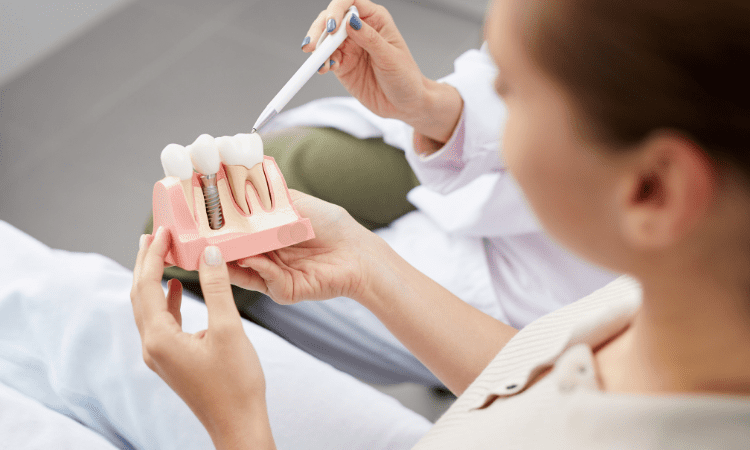
Dental implants are considered one of the most durable and natural-feeling solutions for replacing missing teeth. An implant functions much like a natural tooth root. A titanium post is surgically placed into the jawbone, where it fuses with bone tissue through a process called osseointegration. Once healed, a custom crown is attached, creating a restoration that often looks, feels, and functions like a natural tooth.
Implants offer exceptional stability and can last decades with proper care. They also stimulate the jawbone, preventing the bone loss that often occurs after tooth loss. Because implants do not rely on neighboring teeth for support, they leave surrounding teeth untouched. This option is ideal for those with sufficient bone density and healthy gums, although bone grafting may be possible if needed. While implants tend to cost more upfront and require a longer healing period, many patients find the investment worthwhile due to their longevity and comfort.
Fixed Dental Bridges
A dental bridge is another common restoration for one or more missing teeth. A bridge typically consists of artificial teeth anchored in place by crowns bonded to neighboring natural teeth. This creates a “bridge” across the gap where the missing tooth once was. Bridges could restore chewing function and appearance and are a good option when implants are not suitable or when faster results are preferred.
Bridges generally require less healing time than implants since they do not involve surgery. They also offer a natural look when crafted with high-quality materials such as porcelain. However, because the supporting teeth must be reshaped to hold the crowns, this option permanently alters otherwise healthy teeth. Over time, the gum tissue beneath the bridge may change, requiring adjustments or replacement. Still, bridges remain a dependable and aesthetically pleasing solution for many patients.
Partial Dentures
For individuals missing multiple teeth, partial dentures can provide an affordable, effective restoration. These removable appliances consist of replacement teeth attached to a gum-colored base, often secured with metal or flexible clasps around existing natural teeth. Partial dentures help maintain facial structure, improve chewing ability, and prevent remaining teeth from shifting out of alignment.
One of the biggest advantages of partial dentures is their accessibility. They are typically more budget-friendly than implants or bridges and can be fabricated relatively quickly. Because they are removable, they are also easy to clean. However, some patients need time to adjust to wearing them, and they may not feel as stable as fixed restorations. Periodic relining or replacement is usually necessary as the shape of the gums changes over time.
Full Dentures
When all teeth in the upper or lower arch are missing, full dentures provide a complete restoration solution. Modern dentures are far more comfortable and natural-looking than those of the past, using advanced materials that closely mimic natural gum tissue and teeth. They could restore essential oral functions and support facial muscles to prevent sagging.
While full dentures are removable, they can be paired with dental implants for added stability. This combination, known as implant-supported dentures, prevents slippage and improves overall confidence, especially while eating or speaking. Traditional dentures, however, rely on suction or adhesives, which may require occasional adjustments to maintain a secure fit.
Treatment for Missing Teeth in Hanover, MD
At Horizon Family Dental Care, we are dedicated to preserving your oral health. If you’ve lost a tooth, the rest of your bite could be at risk. Contact our office today to schedule a consultation and learn more about your restorative dentistry treatment options.