
When it comes to enhancing your smile, modern dentistry offers a variety of cosmetic options. Two of the most popular choices are porcelain veneers and dental bonding. Both procedures aim to correct aesthetic imperfections such as chipped teeth, discoloration, gaps, or minor misalignments. However, while they may appear similar at first glance, there are significant differences that make porcelain veneers the superior option for many patients. Understanding these differences can help you make an informed decision about your smile transformation.
Aesthetic Superiority of Porcelain Veneers
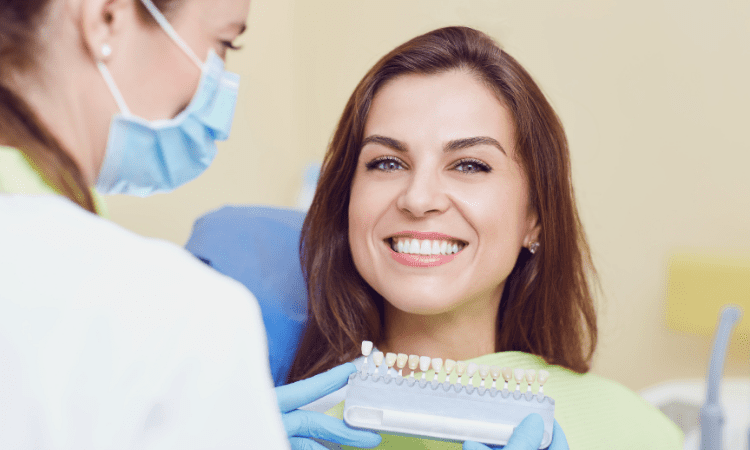
One of the main reasons people choose porcelain veneers over bonding is the remarkable aesthetic result they could deliver. Porcelain mimics the natural translucency and luster of real tooth enamel, often making veneers virtually indistinguishable from natural teeth. This could give you a more refined and natural-looking smile that resists staining better than bonding materials.
Dental bonding uses a composite resin that is matched to the color of your teeth. While bonding can look very good initially, the material lacks the depth and light-reflective qualities of porcelain. Over time, bonding is also more prone to discoloration from coffee, tea, red wine, and other staining agents, which can lead to a dull or uneven appearance.
Durability and Longevity
Another critical factor to consider is durability. Porcelain veneers are known for their strength and long-lasting results. With proper care, they can last 10 to 15 years or more without needing replacement. Their durability makes them ideal for people who are looking for a long-term solution to cosmetic dental issues.
Bonding, on the other hand, is more susceptible to wear and tear. The resin used in bonding is not as strong as porcelain and is more likely to chip or break, especially if you have habits like nail-biting or chewing on pens. Bonding typically lasts between 3 to 7 years and may require frequent touch-ups or replacements, making it less cost-effective in the long run.
Customization and Precision
Porcelain veneers are custom-made in a dental laboratory to fit your teeth precisely. This process involves careful planning, digital imaging, and the creation of a mold, often resulting in a final product that fits flawlessly and looks completely natural. The level of customization with veneers allows your dentist to correct multiple issues at once, such as shape, size, and alignment, offering a complete smile makeover.
Bonding is done chairside, meaning the dentist sculpts the resin directly onto your teeth during a single visit. While this can be convenient, it is also less precise. The result largely depends on the skill of the dentist, and even then, it may not offer the same level of detail or customization as porcelain veneers.
Resistant to Stains and Damage
One of the most appreciated qualities of porcelain veneers is their resistance to staining. The non-porous surface of porcelain doesn’t absorb pigments the way composite resin does, which means your veneers could maintain their bright, white appearance for many years. This is a huge benefit for those who want to preserve their investment and enjoy a lasting, radiant smile.
In contrast, composite bonding is porous and can easily pick up stains from everyday foods and beverages. Over time, this can lead to noticeable discoloration that may not be resolved through whitening treatments, often requiring replacement of the bonded area.
Porcelain Veneers in La Plata, MD
At Horizon Family Dental Care, we are dedicated to helping you achieve your smile goals. If you have discoloration, gaps between teeth, or minor damage, porcelain veneers may be able to help. Contact our office today to schedule a consultation and learn more about your cosmetic dentistry treatment options.