
If you’re considering dental implants to replace missing or failing teeth, the All on Four treatment could be a transformative solution. Known for providing a full arch of teeth supported by just four dental implants, this procedure has become a popular choice for patients seeking a stable, long-term alternative to dentures. But before you begin the journey, it’s important to understand what to expect during the process, from consultation to recovery and beyond.
The Initial Consultation
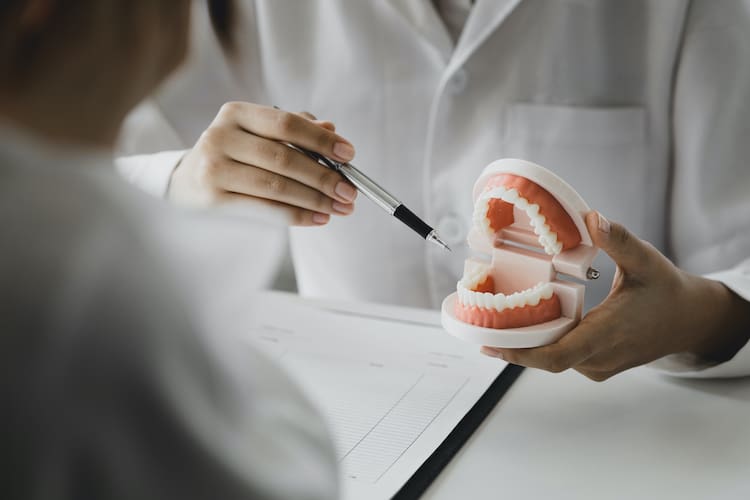
Your journey with All on Four starts with a comprehensive dental consultation. During this visit, your dentist will evaluate your oral health, take digital X-rays or 3D scans, and discuss your goals. This step is crucial in determining if you’re a good candidate for the procedure. Ideal candidates typically have lost most or all of their teeth, have sufficient bone density (or can receive bone grafts), and are in good general health. The dentist will also walk you through the expected results, risks, and costs involved. You’ll have an opportunity to ask questions and understand the treatment plan tailored specifically to your needs.
Preparing for Surgery
Once the treatment plan is finalized, pre-surgical preparations begin. This might involve extracting any remaining teeth in the affected arch, managing any existing oral health issues like gum disease, or performing bone grafts if necessary. In many cases, the All on Four system is designed to minimize the need for bone grafting. This is because dentists can place implants in a way that maximizes the available bone. Before surgery, your dentist may provide detailed instructions on fasting, medications, and post-operative care. They may also discuss sedation options to help you feel comfortable and relaxed during the procedure.
The Day of the Procedure
On the day of your surgery, you could expect to spend several hours at the dental office or surgical center. After administrating sedation or anesthesia, the dentist will strategically place four titanium implants into the jawbone. These implants act as anchors for your new set of teeth. In most cases, a temporary set of teeth is attached to the implants on the same day. This allows you to leave the office with a complete smile immediately after surgery, a major advantage over traditional implants, which can take months before prosthetic teeth are added.
Recovery and Healing
The recovery period after surgery varies from patient to patient, but most experience some swelling, discomfort, and minor bleeding for the first few days. Pain can usually be managed with prescribed or over-the-counter medication. A soft diet is typically recommended for the first few weeks to allow the implants to integrate with the bone, a process known as osseointegration. During this healing phase, you’ll have regular follow-up visits to monitor your progress. Your dentist will check how well your gums and bone are adapting to the implants and make adjustments to your temporary teeth if needed.
Receiving Your Permanent Teeth
After three to six months, once the implants have fully integrated, you’ll return to have your permanent prosthetic teeth placed. These are custom-designed to fit comfortably, function naturally, and look like real teeth. Many patients find the final set of teeth even more comfortable and aesthetic than the temporary version.
Implant Dentistry in Clinton, MD
At Horizon Family Dental Care, we understand the importance of a complete bite. If you’ve had excessive tooth decay or need multiple extractions, All on Four treatment could be right for you. Contact our office today to schedule a consultation and learn more about implant dentistry and your treatment options.